
 231.600.7188
 Norton Shores, MI



Dementia memory care is a specialized form of senior living designed for individuals living with Alzheimer’s disease or other forms of dementia. These communities provide structured routines, personalized support with daily activities, and a secure environment that promotes safety and comfort. Memory care also emphasizes cognitive engagement, routine, and compassionate assistance to support quality of life.
At Harbor Homes, residents can receive compassionate support in a structured environment designed to encourage engagement, familiarity, and well-being. This guide explains how dementia memory care works, what services families can expect, and how to evaluate memory care options when searching for memory care facilities near me.
Understanding Dementia Memory Care for Seniors
Families searching for dementia memory care are often trying to understand what type of support their loved one may need as cognitive changes progress. Memory care communities provide structured support for individuals living with Alzheimer’s disease or other forms of dementia while helping maintain daily comfort and dignity.
Dementia remains one of the most significant health concerns affecting older adults. According to the Alzheimer’s Association, nearly 7 million Americans age 65 and older are living with Alzheimer’s disease, and the number continues to grow as the population ages. The organization also reports that 1 in 3 seniors dies with Alzheimer’s disease or another dementia, highlighting why specialized environments like memory care communities are increasingly important for long-term support.
What Makes Dementia Memory Care Different?
Memory care communities differ from other senior living environments because they provide structured support specifically designed for people experiencing cognitive decline.
Residents in dementia memory care typically benefit from personalized assistance and consistent daily routines that help reduce confusion and support emotional well-being. Teams working in memory care settings understand the challenges associated with dementia, including changes in communication, memory loss, and behavioral shifts.
Organizations such as the National Institute on Aging emphasize that supportive environments, familiar routines, and meaningful engagement can significantly improve quality of life for individuals living with dementia.
These environments are designed to provide comfort, predictability, and supportive care that evolves as cognitive needs change.

Typical Services Provided in Dementia Memory Care
Memory care communities support residents with both personal care needs and daily wellness. The goal is to create an environment where residents can maintain dignity while receiving the assistance they need.
| Support Area | How It Helps Residents |
| Personal Care | Assistance with dressing, grooming, and bathroom support |
| Medication Assistance | Ensures medications are taken safely and on schedule |
| Dining Support | Assistance with dining and eating when needed |
| Household Services | Housekeeping and laundry support |
| Transportation | On-site transportation for appointments or outings |
These services allow residents to focus on comfort and meaningful engagement while trained caregivers assist with daily tasks.
Families researching support options can explore available services on the Harbor Homes levels of care page to better understand how assisted living and memory care programs work together.
Activities That Support Cognitive Engagement
Meaningful activities play an important role in dementia care. Structured engagement can help maintain routine, encourage social interaction, and support emotional well-being.
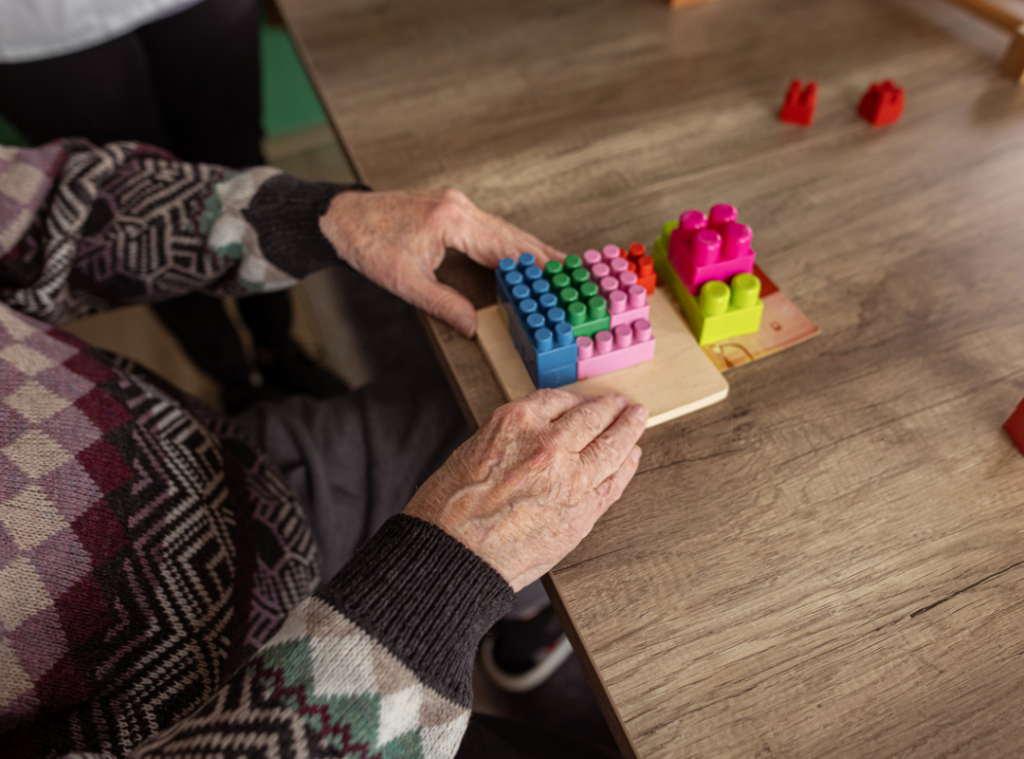
At Harbor Homes, residents may participate in activities designed to encourage connection and daily enjoyment, including Games, Crafts, Movie Club, Book Club, Gardening, Cooking Club, Walking Club, and exercise.
Research from the Centers for Disease Control and Prevention notes that regular physical activity and social interaction contribute to improved health outcomes and well-being among older adults.
Engaging programs can help residents stay connected to hobbies and routines that bring familiarity and comfort.
Dementia Support Resources in Michigan
Families researching Michigan dementia resources often look for guidance and support networks. Dementia can affect not only the individual but also the entire family, making education and support services valuable during the caregiving journey.
Organizations such as the Michigan Dementia Coalition provide education, advocacy, and connections to dementia support groups that Michigan families can access statewide.
Additionally, the Michigan Alzheimer’s Disease Center conducts research and education programs to improve dementia care and support families living with Alzheimer’s disease and related conditions.
These organizations help caregivers better understand dementia progression and offer resources to support informed care decisions.
Finding Dementia Memory Care in Michigan
Many families begin their search for dementia memory care by looking online for memory care facilities near them. This research often starts when caregiving at home becomes more challenging due to safety concerns, medication management needs, or increasing assistance with daily activities.
When evaluating dementia memory care communities, families often compare several important factors.
| Consideration | Why It Matters |
| Personalized care support | Ensures residents receive assistance appropriate to their needs |
| Daily routines and activities | Helps maintain comfort and familiarity |
| Dining and nutrition support | Supports health and well-being |
| Engagement programs | Encourages social connection and cognitive stimulation |
Families can also explore financial planning tools such as the Harbor Homes cost comparison page when evaluating long-term care options.
Dementia Memory Care at Harbor Homes
Harbor Homes offers Assisted Living and Memory Care services designed to support individuals experiencing cognitive changes while maintaining comfort, dignity, and daily engagement.
Residents may benefit from services and amenities that support everyday life and wellness, including assistance with daily activities and opportunities for social connection.
Amenities and services available at Harbor Homes include:
- 3 home-cooked, chef-prepared meals per day
- On-site transportation
- Housekeeping and laundry services
- Dressing and grooming assistance
- Bathroom assistance
- Dining and eating support
- Cable TV and Wifi
- Medication assistance
- The RENEW Restorative Program
Residents may also participate in engaging activities such as games, crafts, gardening, movie club, book club, cooking club, walking club, and exercise programs.
Families interested in learning more about available services can explore the Harbor Homes homepage or browse additional educational resources on the community blog.
Understanding Dementia Memory Care Options
Choosing dementia memory care for a loved one can be an emotional and complex decision. Many families begin their research when caregiving needs increase or when safety and supervision become more important.
Memory care communities provide structured environments designed to support individuals living with dementia through personalized care, meaningful engagement, and supportive daily routines.
By offering assistance with daily activities, wellness-focused programs, and opportunities for connection, dementia memory care communities help residents maintain dignity and quality of life.
Families exploring care options may benefit from learning more about dementia progression, comparing available services, and understanding how supportive environments can enhance comfort and daily stability for individuals living with cognitive changes.
Schedule a Visit to Harbor Homes
If you are exploring dementia memory care for a loved one, Harbor Homes offers a compassionate environment that supports comfort, engagement, and daily well-being. Families are welcome to learn more about available services and community life.
Schedule a tour of Harbor Homes, call us to speak with our team, or contact us to discuss how memory care may support your loved one.
Frequently Asked Questions
When to put a dementia patient in memory care?
Families often consider memory care when a loved one begins to experience safety concerns, wandering, or difficulty managing daily tasks independently. Changes in medication management, personal hygiene, or eating habits can also signal that additional support may be needed. Memory care communities provide structured routines and trained caregivers who understand dementia-related needs. The goal is to maintain safety while preserving dignity and comfort.
How much does memory care cost in Michigan?
Memory care costs in Michigan vary depending on location, services provided, and the level of care required. Costs typically include housing, meals, assistance with daily activities, and structured programs that support residents living with dementia. Some families compare the cost of in-home care with residential care when evaluating long-term options. Reviewing financial planning resources can help families better understand potential expenses.
How long is the last stage of dementia?
The final stage of dementia varies from person to person. Some individuals may remain in this stage for months, while others may live with advanced dementia for several years. During the later stages, individuals often require full assistance with daily activities such as eating, mobility, and personal care. Supportive care environments can help provide comfort and consistent support during this stage.
Who is responsible for a person with dementia?
Responsibility for a person living with dementia typically falls to family members or legal guardians unless other care arrangements are made. Families may also work with healthcare professionals, care coordinators, and senior living communities to ensure appropriate support is available. As dementia progresses, daily care needs often increase significantly. Memory care communities can provide professional assistance while helping families remain involved in their loved one’s care.